Listening where impacts are felt: Bringing community voices into the ASI Standards Revision
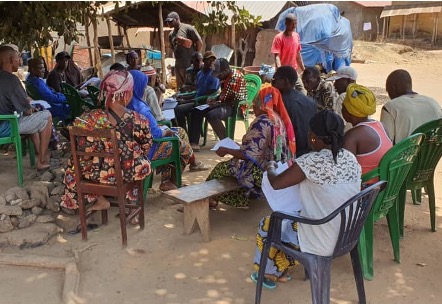
Indigenous Peoples Advisory Forum (IPAF) representatives visited communities in Guinea, Ghana, India, Australia and Suriname to hear directly what matters most to them. More than 550 people participated, sharing their experiences.
25 August 2026
As ASI revises its Standards, ensuring that people directly affected by activities across the aluminium value chain can participate is an important part of the process. During the first public consultation on the ASI Standards Revision, this meant going beyond an open invitation to comment and taking the consultation directly to affected communities and Indigenous Peoples.
Indigenous Peoples Advisory Forum (IPAF) representatives visited communities in Guinea, Ghana, India, Australia and Suriname to hear directly what matters most to them. More than 550 people participated, sharing their experiences of mining impacts and their views on how companies should communicate, involve communities in decisions, monitor impacts, establish agreements and respond when concerns are raised. For many participants, it was the first time anyone had asked for their opinion on these issues.
WHAT COMMUNITIES TOLD US
More than 550 people across five countries participated in the community consultation.
- 9 in 10 want to help monitor company impacts.
- 9 in 10 want clear, easy-to-understand information from companies.
- 9 in 10 want written agreements with companies.
- 9 in 10 reported having seen people in their community harmed by past mining, including through loss of land, damaged water and lost livelihoods.
- Only 3 in 10 feel very safe making a complaint.
- 4 in 10 said company information is not shared clearly.
- 5 in 10 said company staff do not respect local customs.
Taking the consultation to affected communities
The ASI Performance Standard sets environmental, social and governance requirements for companies across the aluminium value chain, including bauxite mining, alumina refining and aluminium smelting. Many of these requirements have direct implications for people living in and around operations.
The first public consultation on the revised Standards, held from February to April 2026, invited stakeholders globally to comment on proposed changes. But making a consultation publicly available does not necessarily mean that everyone has an equal opportunity to participate. Language, connectivity, access to information and familiarity with formal consultation processes can all create barriers.
For affected communities and Indigenous Peoples, there is an additional consideration: they are rightsholders whose lands, resources, livelihoods and communities may be directly affected by activities covered by the Standard.
IPAF representatives therefore travelled to communities in five countries to create opportunities for people to participate directly. They asked about issues grounded in people’s experience: who should have a say in determining company impacts, how communities can participate meaningfully in decisions, how agreements between companies and Indigenous Peoples should work, and whether people can raise complaints and trust that they will be heard.
The visits helped bring the Standards Revision process closer to communities that may otherwise have had little opportunity to participate in a global standards consultation.
From community experience to Standards discussions
The findings highlight practical questions for the Standard: whether communities have understandable information; whether they can participate in monitoring impacts; whether agreements are documented; whether grievance mechanisms feel safe to use; and how companies address impacts that communities continue to experience from past mining.
As one participant explained:
“Transparency between company and people is very important – it helps communities understand the motives, benefits and their role.”
After the consultation, the ASI Standards Committee met in June 2026 to review early findings from the wider public consultation and consider how the feedback should inform the next draft of the Performance Standard.
The Committee brings together representatives from industry, civil society, Indigenous Peoples and affected communities. IPAF representatives from Ghana, Guinea, Australia, India and Suriname participated in the June meeting, providing an important connection between the community engagement and the formal Standards Revision process.
Committee discussions considered what stakeholders had said, the different approaches proposed through the consultation, how potential requirements could work in practice, and where further technical work was needed. Community and Indigenous Peoples’ perspectives are being considered alongside the wider body of consultation feedback and technical analysis as the next draft is developed.
What happens next?
In September, ASI will publish the full compilation and analysis of feedback received during the first public consultation, providing a broader picture of the issues raised by stakeholders and rightsholders across the Standards Revision process.
A webinar on 22 September at 11:00 CEST will then present the consultation outcomes, explore key themes emerging from the feedback and explain how these are informing the next stage of the revision. Register here.
Further drafting and technical work will continue through 2026, with a revised draft of the ASI Standards due to be released for a second public consultation in early 2027. Communities, Indigenous Peoples and other stakeholders will then have another opportunity to review the proposed changes and provide feedback before the revised Standards move towards adoption.
The community consultation demonstrates an important principle behind the revision process: participation is not simply about making a consultation available. It is also about creating ways for people whose rights and lives may be directly affected to have their perspectives heard.
By taking the consultation to communities and carrying those perspectives into the Standards Committee process, the aim is to help ensure that requirements intended to protect rights and manage impacts make sense not only on paper, but for the people and communities they are intended to serve.
RELATED TOPICS:
25-27 revisionhuman rightsIPAF
SHARE THIS ARTICLE