ASI drives forward dialogue on sustainability in China’s aluminium sector at Shanghai workshop
The workshop brought together aluminium producers, downstream manufacturers, certification bodies, standards organisations and sustainability experts to explore practical pathways for advancing responsible, low-carbon and circular aluminium value chains.
30 July 2026
The transition to low-carbon aluminium depends not only on reducing emissions, but on building confidence in how environmental performance is measured, verified and communicated across global supply chains.
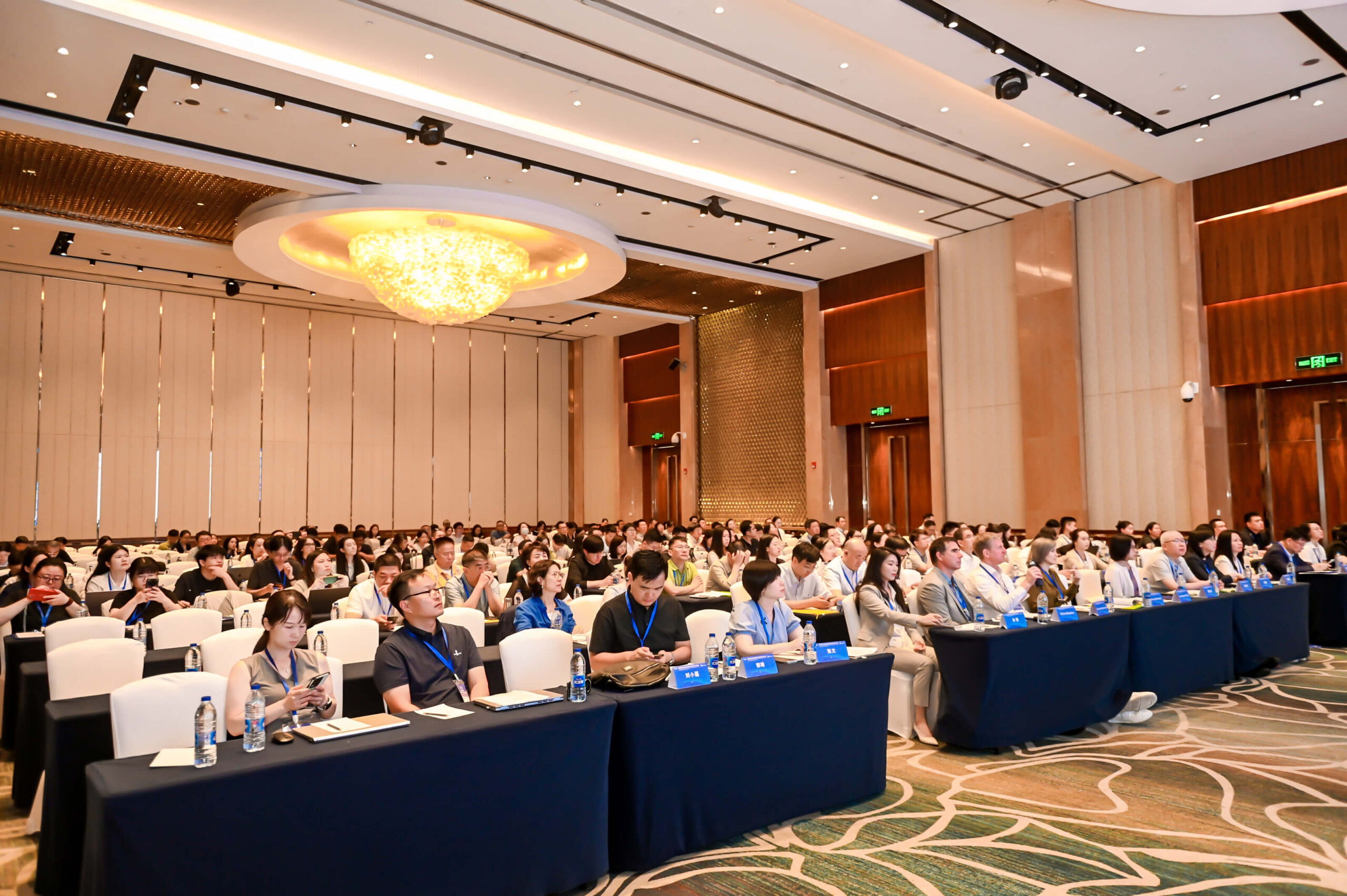
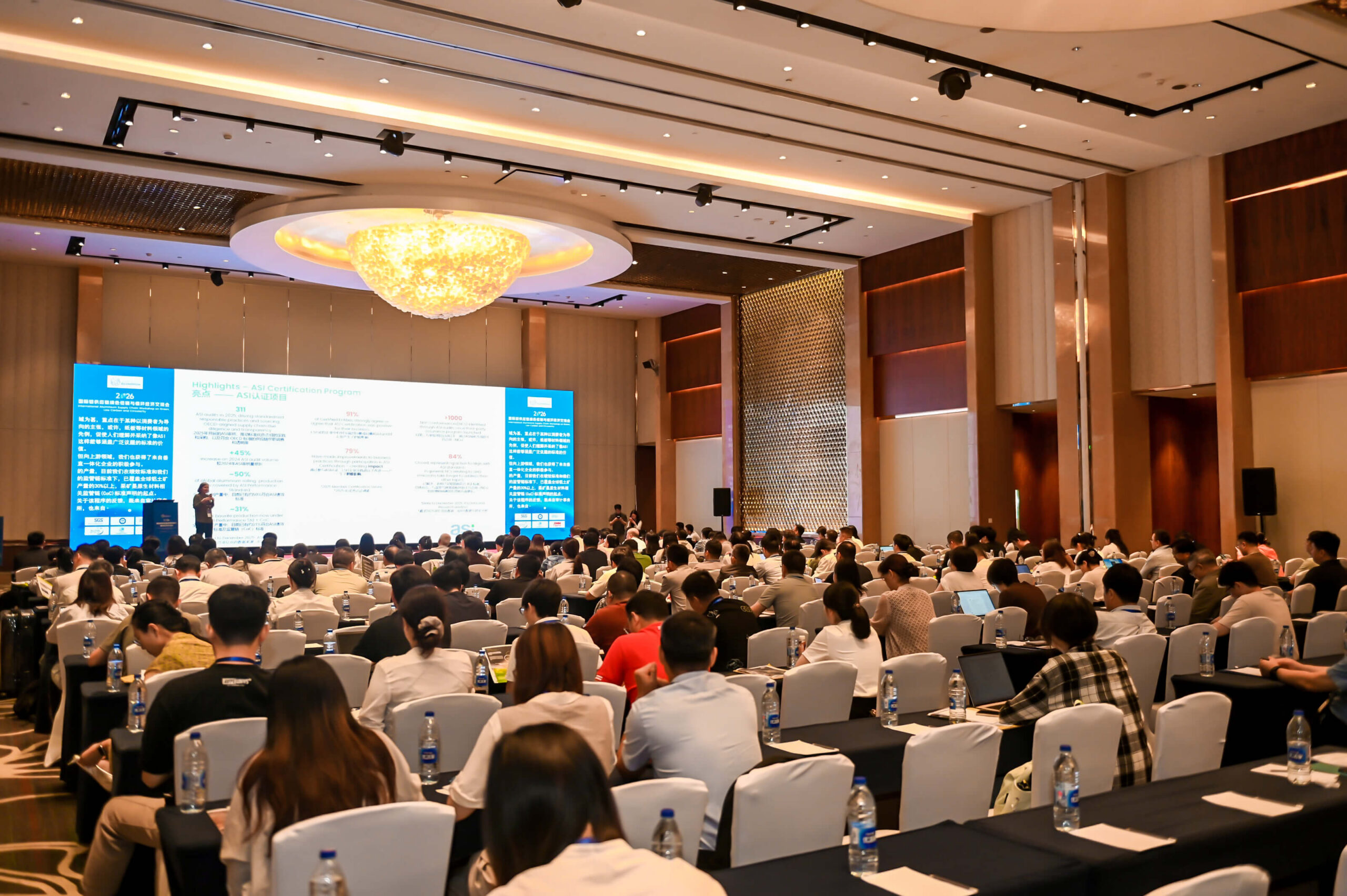
These themes were at the heart of the 2026 International Aluminium Supply Chain Workshop on Green, Low-Carbon and Circularity, held in Shanghai on 10 July. Organised by the the International Aluminium Institute (IAI), supported by Aluminium Stewardship Initiative (ASI) and the Global Aluminium Foil Rollers Initiative (GLAFRI), the workshop brought together aluminium producers, downstream manufacturers, certification bodies, standards organisations and sustainability experts to explore practical pathways for advancing responsible, low-carbon and circular aluminium value chains. SGS-CSTC and TÜV SÜD co-organised the event. [Download the agenda]
Against a backdrop of geopolitical uncertainty, evolving trade policies, the implementation of the EU Carbon Border Adjustment Mechanism (CBAM), and growing demand for responsible sourcing, discussions focused on the need for internationally recognised approaches to carbon accounting, circularity, sustainability standards and supply chain transparency. Throughout the day, speakers reinforced the importance of international collaboration in developing credible, practical frameworks that strengthen market confidence while supporting decarbonisation and long-term business resilience.
Building confidence through standards
A recurring message throughout the workshop was that credible sustainability claims depend on transparent data, harmonised methodologies and independent assurance. As regulatory requirements evolve and responsible sourcing increasingly becomes a market expectation, consistency in measuring and communicating environmental performance is becoming just as important as improving performance itself.
Across presentations from industry associations, certification bodies, downstream manufacturers and sustainability experts, speakers emphasised the importance of internationally aligned standards to ensure sustainability claims remain comparable, verifiable and trusted throughout global value chains. The workshop also highlighted the value of international cooperation in advancing common approaches to low-carbon aluminium and supporting greater alignment between standards, certification and market expectations.
Ms. Moxin Da, Director of the Light Metals Department of the China Nonferrous Metals Industry Association (CNIA), was invited to attend the conference and delivered a presentation entitled “High-Quality Development and Green Transition of China’s Aluminium Industry.” She highlighted that China’s primary aluminium production capacity has continued to shift toward regions with abundant clean energy resources, while the industry’s electricity mix has become increasingly optimised. By 2025, more than 30% of the electricity used in primary aluminium production came from renewable sources, enabling the industry to achieve the national 2030 renewable electricity target ahead of schedule. She also noted that China’s recycled aluminium output reached 11.6 million tonnes in 2025, with recycled aluminium continuing to replace primary aluminium on an increasing scale. Based on these developments, CNIA concluded that China’s aluminium industry has already reached its carbon emissions peak ahead of schedule.
ASI perspectives
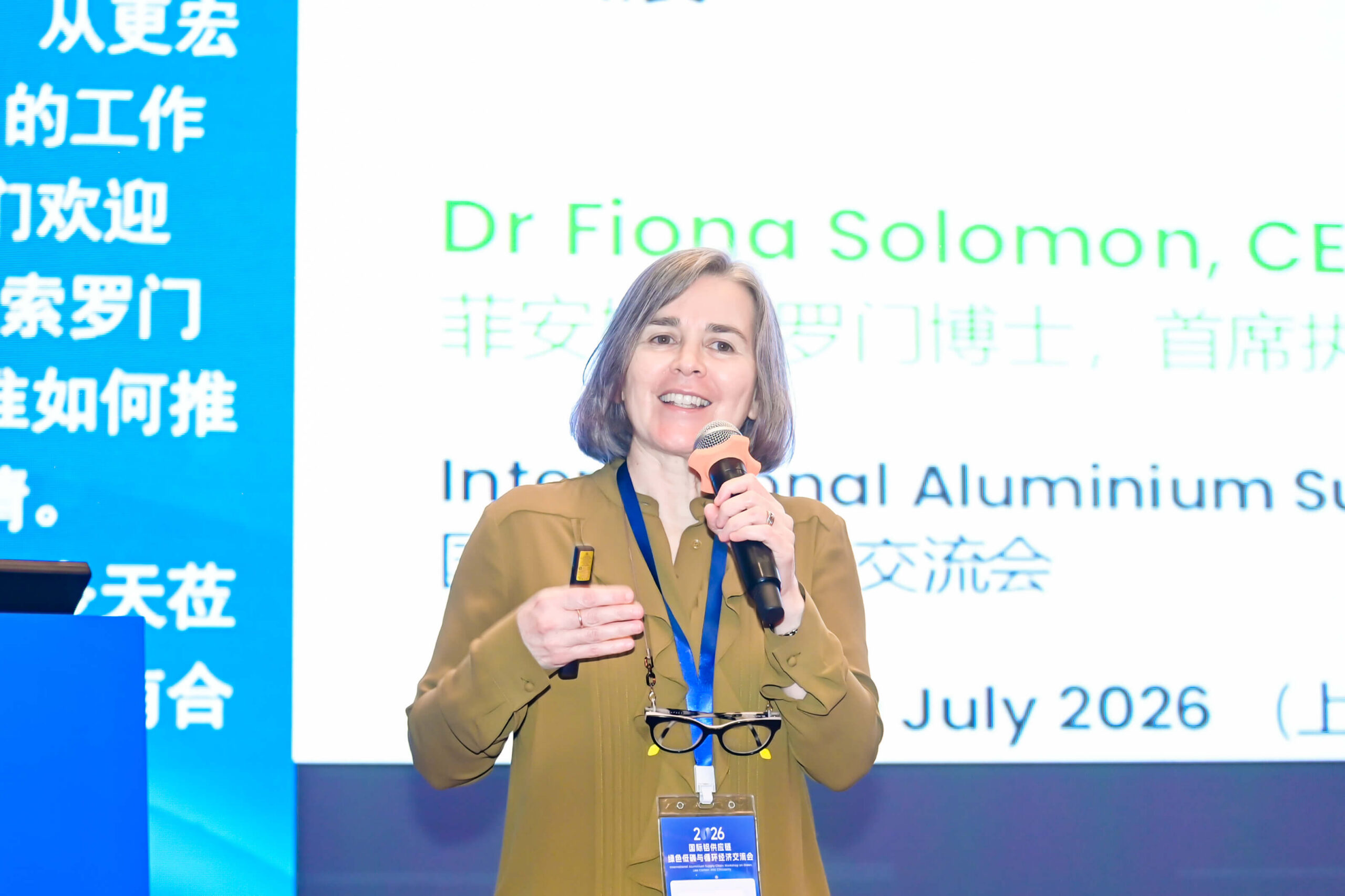
Reflecting ASI’s close collaboration in the workshop, the programme featured presentations from Dr. Fiona Solomon, Chief Executive Officer, and Chris Bayliss, Climate Change and Decarbonisation Director, alongside a closing technical session delivered by Mr. Chunming Dong, General Manager of Sunlight Metal Consulting (Beijing) Co., Ltd.
Speaking during the morning programme, Fiona Solomon explored how aluminium value chain standards can advance circularity and low-carbon development. She outlined the role of voluntary sustainability standards in supporting responsible production and sourcing across increasingly complex international supply chains, while highlighting the ongoing revision of ASI’s Performance Standard and its multi-stakeholder approach to strengthening requirements while remaining grounded in practical implementation.
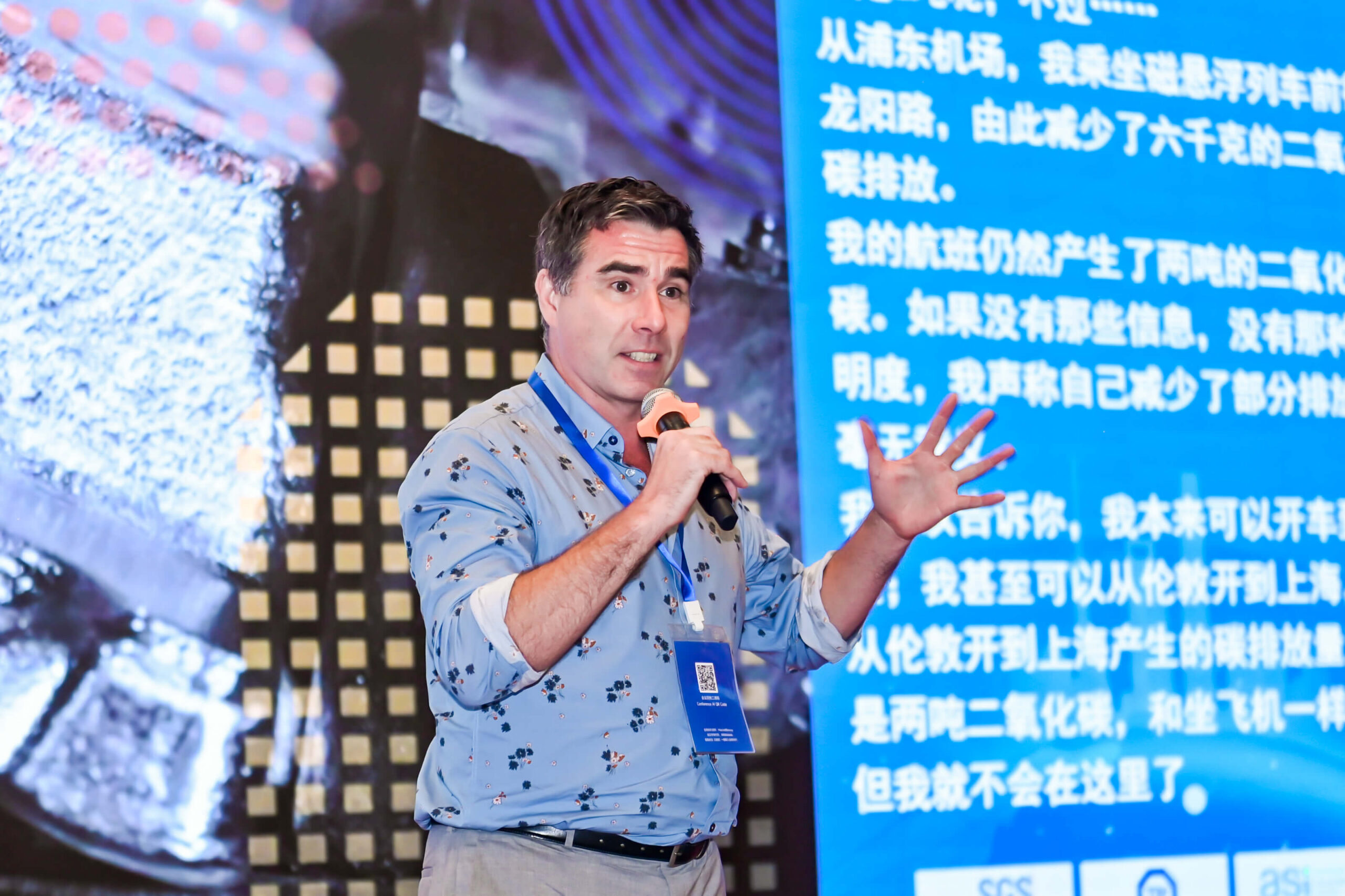
Later in the programme, Chris Bayliss outlined the climate-related developments within ASI’s ongoing Standards Revision. Drawing on the proposed revisions to the Performance Standard, he explored topics including greenhouse gas emissions accounting, product carbon footprint, recycled content, scrap accounting and decarbonisation planning, emphasising the importance of robust methodologies, transparency and independent assurance in supporting credible environmental claims and traceable, measurable low-carbon aluminium supply chains.
The workshop concluded with a presentation from Chunming Dong on the greenhouse gas and circularity requirements within the ASI Standards. Drawing on ASI Certification data and audit findings, he highlighted the growing uptake of ASI Certification across China and demonstrated how the Standards support organisations in strengthening greenhouse gas accounting, life cycle assessment, circularity and sustainability management. His presentation also identified common audit findings and opportunities for continual improvement, reinforcing the role of certification as both a performance benchmark and a practical driver of organisational improvement.
Collaboration across the value chain
Together, the ASI presentations demonstrated how voluntary sustainability standards can help translate evolving regulatory and market expectations into practical, internationally recognised requirements for the aluminium value chain. They complemented wider discussions on geopolitics, responsible sourcing, circularity, carbon accounting methodologies, CBAM implementation, low-carbon market development and downstream procurement.
Speakers from across the aluminium value chain—including the IAI, China Nonferrous Metals Industry Association (CNIA), RMI, CRU, IKEA, TÜV SÜD, SGS and GLAFRI—approached these topics from different perspectives, but a common message emerged: delivering credible low-carbon aluminium will require internationally aligned standards, transparent data, independent assurance and continued collaboration between producers, customers, industry associations and policymakers.
For ASI, the workshop highlighted the value of multi-stakeholder collaboration in building internationally recognised frameworks that support responsible production, strengthen confidence in sustainability claims and help accelerate the transition to a more circular and lower-carbon global aluminium value chain.
The Shanghai workshop formed one part of ASI’s broader programme of engagement with stakeholders across China in July. A companion article explores the wider programme and the key themes that emerged.
Photo gallery
RELATED TOPICS:
SHARE THIS ARTICLE