Guest article: Nature in the aluminium value chain
This guest article by Piet Wit (Chimbo Foundation and ASI Standards Committee) explores some of the realities and challenges sees for the aluminium sector in supporting biodiversity and responsible environmental stewardship. [Photo: Group of Chimpanzees in a sacred forest in Boé (Guinea Bissau) – Chimbo Foundation]
10 July 2026
Biodiversity is about the diversity of plants and animals, about ecosystems where living creatures, including humans, interact with one another and with the air, water, and soil around them. And of course about ecosystem services like enough good quality water.
Nature is cross-cutting. Conserving nature is about the functioning of the environment in which we live: for food security, for medicines, fresh air and water, shelter,…..
Red-listed species and ecosystems are warning signs that something is seriously wrong with our environment and that protection is needed. The world is facing a biodiversity crisis.
Instead of adopting a rather fatalistic attitude about collateral damage on soil, water, plants and animals because of their activities, ASI-certified enterprises commit themselves to reducing, repairing and eventually compensating their negative impacts on nature. They have to respect endangered species and protected areas. Certified entities need to make sure to conserve the ecosystem services disturbed by their activities.
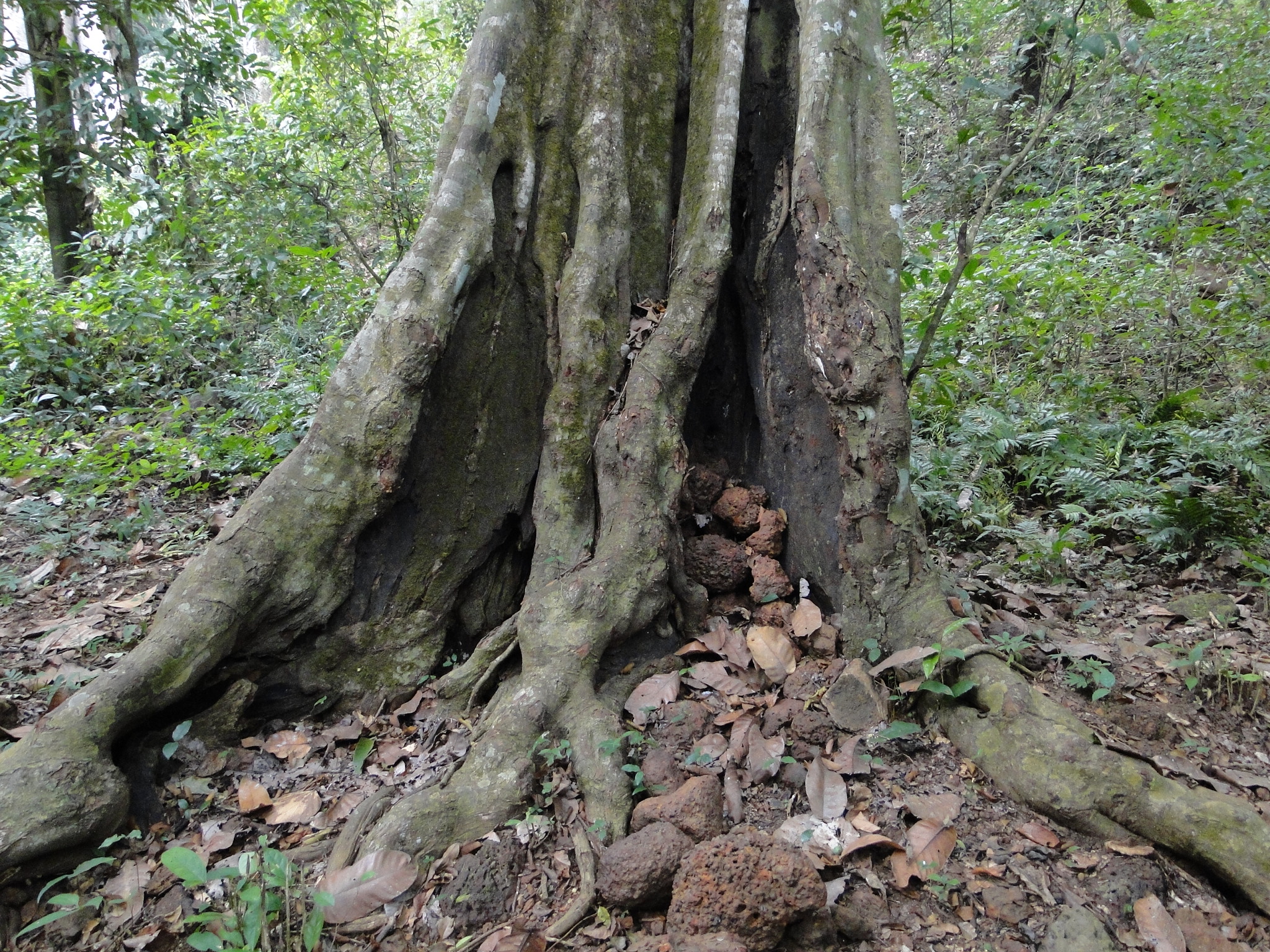
Chimpanzee -Drumming tree in sacred site (Boé, Guinea Bissau) – Chimbo Foundation
Even before exploration starts, entities should investigate if such assets are present and may be affected. ASI-certified entities avoid operating in vulnerable environments, and when that is not possible (for good reasons only), they are expected to preserve essential elements from which nature can make a restart. Eventually – and only in last instance – nature may be compensated outside the area of physical influence of the entity.
Fortunately, we can count on nature itself to achieve rehabilitation. Nature can be remarkably resilient provided we maintain and create basic conditions for its recovery. In the case of bauxite mining for instance, such circumstances include a framework of stepping stones and corridors from where nature can restart after mining activities have come to an end.
Resilient as nature may be, natural systems like forests or groundwater aquifers will take quite some time to recover after operations have come to an end. Simply reconnecting them with their surroundings may not be enough, and omissions from the past may have to be remediated first. For such reasons long-term structural funding has to be secured while management institutions must be in place that have the capacity and mandate to properly balance the interests of different stakeholders. Nature and its representatives and local communities should have the same rights. Although both local communities and nature depend on the functioning of the ecosystem in which they live, their interests are not necessarily the same.
An illustrative example
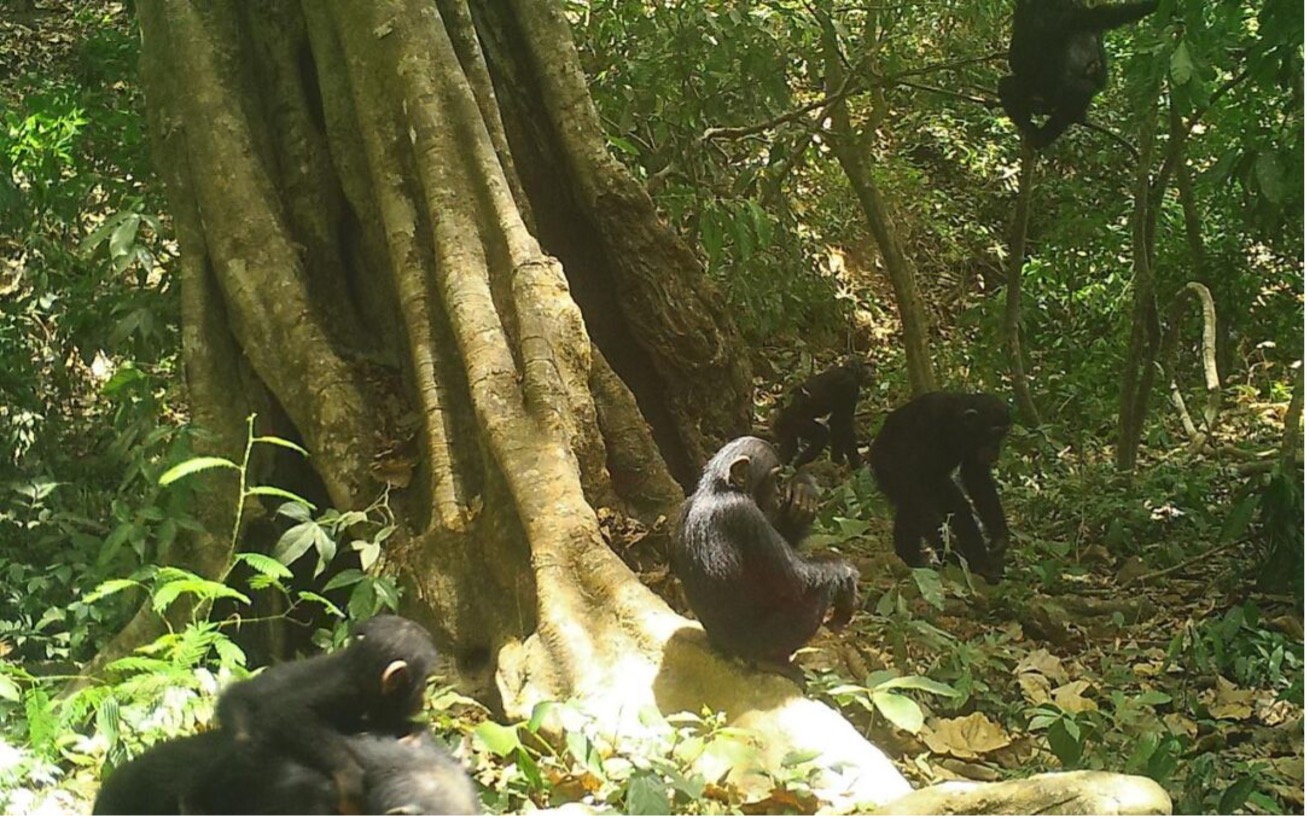
Chimpanzees at the sacred site Tontege – Chimbo Foundation
Protection of chimpanzees (critically endangered in West Africa) that are pushed out of their natural habitat because of mining activities, will not automatically be supported by the local communities that suffer from these apes coming to their cashew-plantations in order to survive. Planting more cashew (a non-native species) after mining has stopped, will hamper the re-establishment of a natural habitat for chimpanzees. Long term conservation by competent organisations therefore will be needed to guide the recovery process to a future situation, where such different interests can thrive next to each other.
Piet Wit has 50+ years of experience in integrated management of natural resources in 70+ countries, with a focus on Africa. Find out more about Piet on the ASI Standards Committee page.
RELATED TOPICS:
SHARE THIS ARTICLE