Human rights hub
Drive local action, capacity building and supply chain due diligence to respect human rights.
Human rights are a universal and cross-cutting concern for all businesses, closely linked to challenges such as climate change, circularity and nature-positive approaches. International frameworks such as the United Nations Guiding Principles on Business and Human Rights and the OECD Due Diligence Guidance for Responsible Supply Chains provide the global foundation for identifying, preventing and addressing human rights risks, particularly in mineral supply chains and where activities affect Indigenous lands and communities.
In this context, the Aluminium Stewardship Initiative drives change through standards, assurance and engagement focused on the aluminium sector. ASI’s Performance Standard addresses human rights and labour rights across the aluminium value chain, including due diligence, Indigenous Peoples’ rights and Free, Prior and Informed Consent (FPIC), while alignment with OECD guidance supports responsible mineral sourcing for ASI Members, including those supplying London Metal Exchange listed brands. Beyond certification, ASI’s Indigenous Peoples Advisory Forum (IPAF) integrates Indigenous perspectives into governance, standards setting and learning, strengthening the protection of rights across ASI’s work.
Watch: ASI & Human Rights essentials
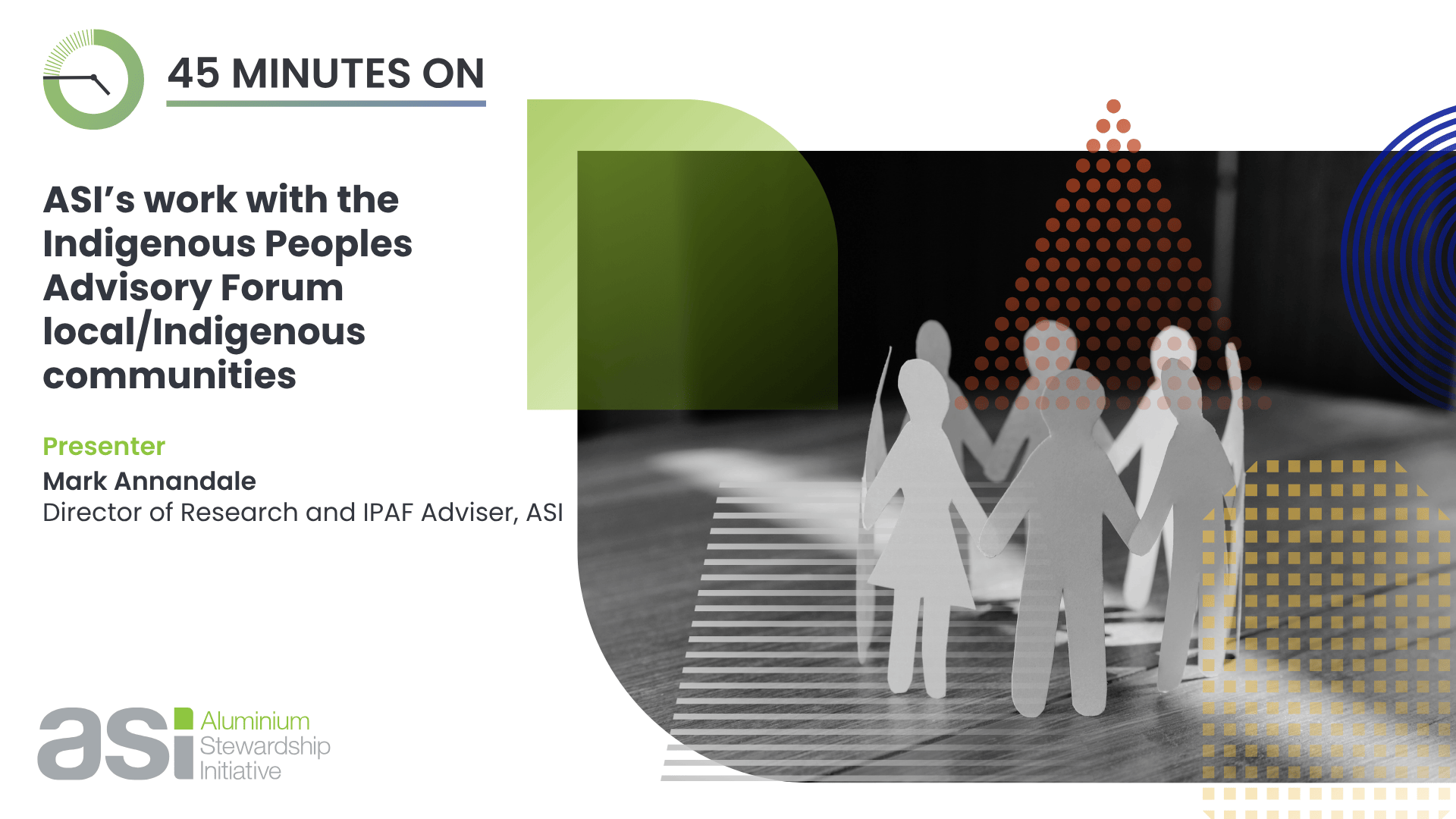
Get insights into ASI’s human rights-related project areas (e.g., training, workshops, research activities) in cooperation with IPAF in various local and Indigenous communities worldwide.
Human Rights in the ASI Performance Standard
Key elements
- Human rights impact assessments for new projects and major changes to existing projects
- Human rights due diligence processes in accordance with the UN Guiding Principles on Business and Human Rights
- Women’s empowerment and gender equity
- Respect for the rights and interests of Indigenous Peoples, consistent with international standards, including ILO Convention 169 and UN Declaration on the Rights of Indigenous Peoples
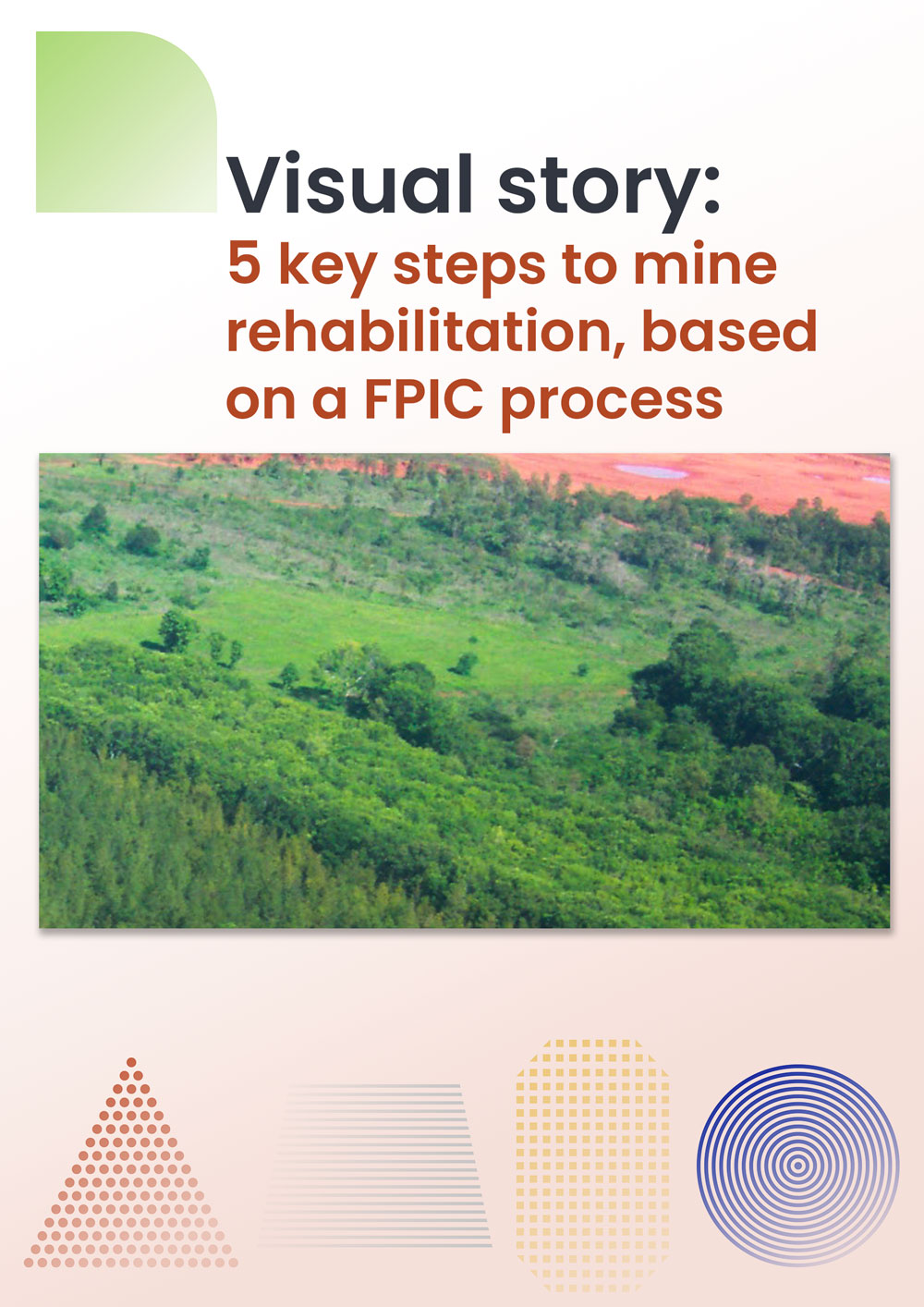
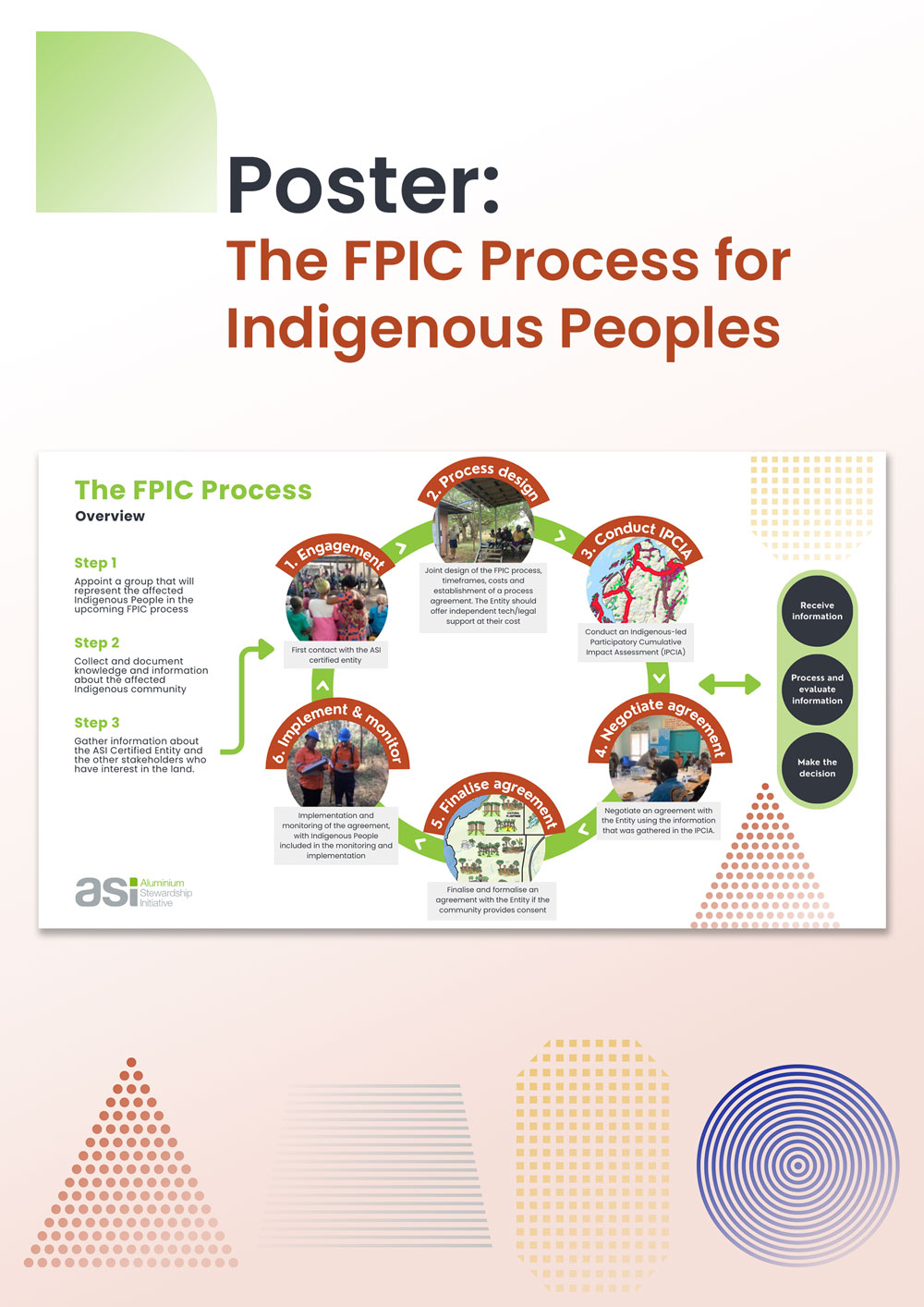
- Free Prior Informed Consent (FPIC) by Indigenous Peoples for new projects and major changes to existing projects on their lands and territories
- Avoidance or remedy of impacts on cultural and sacred heritage
- Avoidance of displacement (physical and economic), and, where unavoidable, in accordance with IFC Performance Standard 5 (Land Acquisition and Involuntary Resettlement)
- Local community engagement and development
- Alignment with the OECD Due Diligence Guidance of Minerals from Conflict-Affected and High-Risk Areas
- Respect for human rights by security providers
- ILO core rights at work – freedom of association and right to collective bargaining, child labour, forced labour and non-discrimination
- General worker rights, engagement and communication, including on remuneration, working time, discipline
- Occupational health and safety (OH&S) management in line with international standards, and with worker engagement
- The ASI Chain of Custody Standard provides a mechanism to support responsible sourcing

Beyond certification
- The ASI Indigenous Peoples Advisory Forum (IPAF) is a communications and engagement platform between representatives of Indigenous Peoples and ASI. It supports participation in the Standards Committee and Working Groups, engagement with the ASI Board, engagement with the ASI Complaints Mechanism, and – most importantly – engagement with each other.
- ASI is supporting Indigenous-led workshops on bauxite exploration and mining. Starting in northern Australia, the first pilot workshop was held in late 2021. More workshops are planned for 2022-2023.
- In 2021, ASI partnered with the University of the Sunshine Coast on a case study of Gulkula Mining, an Indigenous mine pioneering sustainability in the aluminium supply chain.
- ASI has provided technical support and capacity building for IPAF members to receive project grants from external foundations for work with their communities.
Human rights and related documents
DOWNLOAD
DOWNLOAD
DOWNLOAD
DOWNLOAD
DOWNLOAD
DOWNLOAD
Learning modules
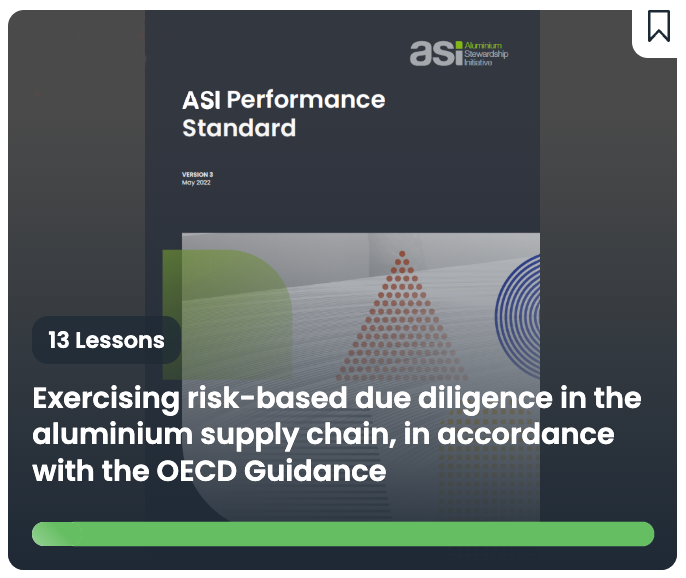
Courses can be accessed via ASI’s online learning platform. Registration is open and free.
Human rights and related videos








Human rights newsfeed
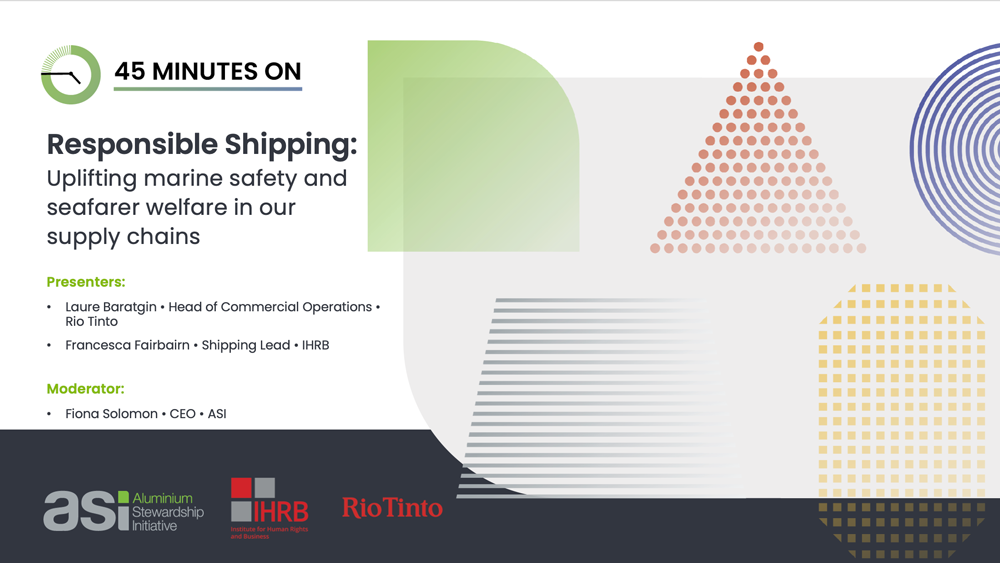
Webinar summary – Responsible shipping: Uplifting marine safety and seafarer welfare in our supply chains
How products and raw materials are transported - and the conditions experienced by the people who make that transportation possible - are also important considerations for responsible sourcing and human rights due diligence.
Beyond complaints: How ASI supports dialogue and dispute resolution
ASI is making significant efforts to support dialogue facilitation and other effective dispute resolution processes.
Listening where impacts are felt: Bringing community voices into the ASI Standards Revision
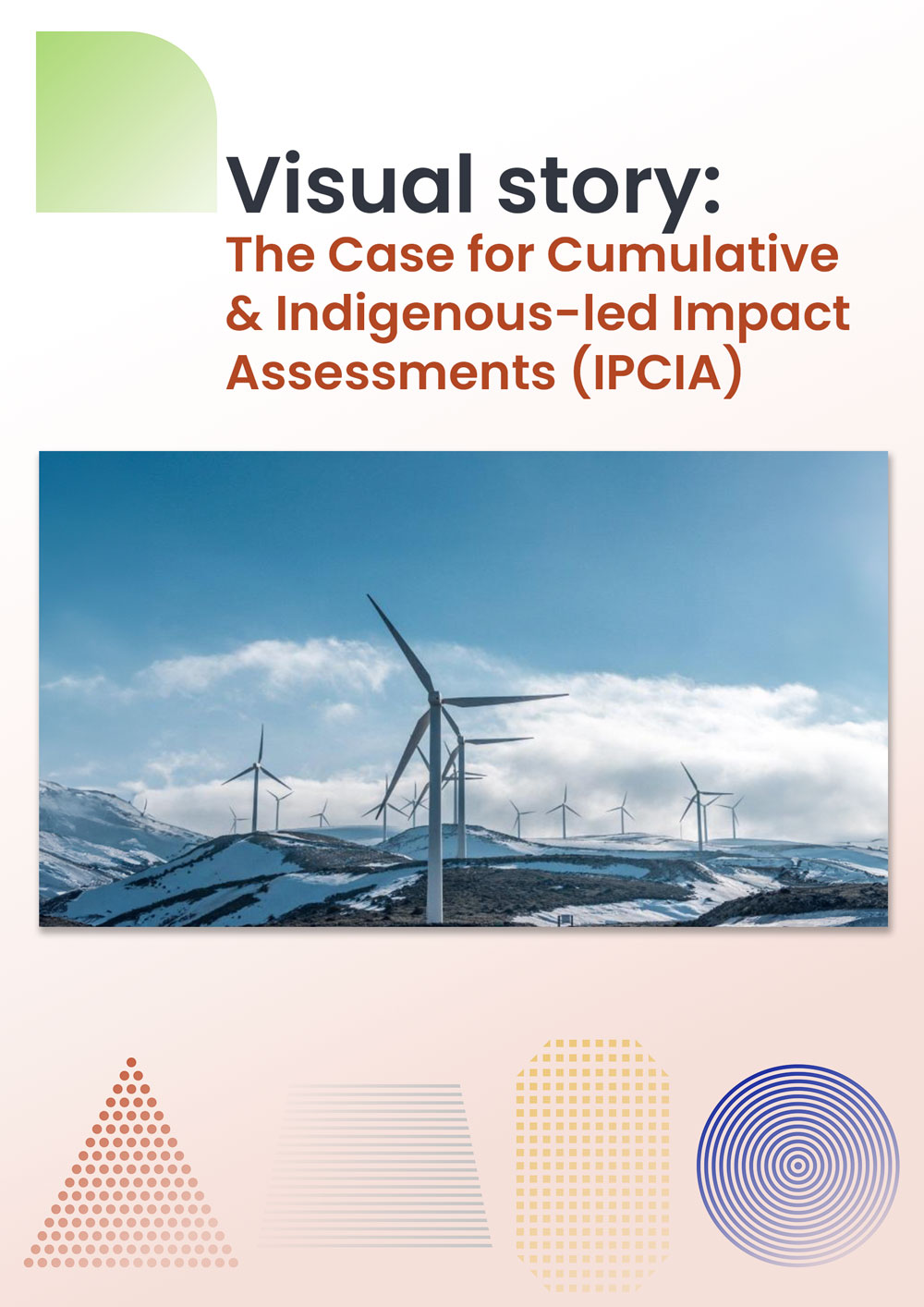
Indigenous Peoples Advisory Forum (IPAF) representatives visited communities in Guinea, Ghana, India, Australia and Suriname to hear directly what matters most to them. More than 550 people participated, sharing their experiences.
More information
- 10 Years of ASI: Strengthening Indigenous and community engagement
- 10 Years of ASI: The Role of IPAF in Shaping Responsible Aluminium
- D&R Insights: How is the ASI Performance Standard driving action on gender equity
- ASI Indigenous Peoples Advisory Forum – Overview Brochure (English) • (French) • (Portuguese) • (Spanish)
- IPAF information page
SHARE THIS PAGE: