Manufacturing with Purpose: Hindalco Mouda’s Journey with ASI
Harish Talreja, Unit Head & Vishwas Kamble, Manager – Excellence at Hindalco Industries Ltd., Mouda highlight the company’s commitment to driving growth with a clear sense of purpose.
17 October 2025
Why ASI Certification Matters to Hindalco
At Hindalco Industries Ltd., Mouda Unit, – a world class rolling mill located in Central India, our journey with the Aluminium Stewardship Initiative (ASI) reflects our commitment to sustainable and responsible business. Our ASI membership is more than an affiliation; it is a powerful statement of our dedication to a greener, more responsible future for the aluminium industry; bringing to life the Hindalco purpose, to “Manufacture Materials That Make the World Greener, Stronger, Smarter”.
For Hindalco Mouda unit, integrating ASI’s Performance and Chain of Custody Standards with Aditya Birla Group’s Sustainability Framework, creates a clear roadmap for world-class environmental, social, and governance (ESG) practices across our operations. By publicly committing to and gaining assurance against these Standards, we are not only holding ourselves accountable but also sending a strong message to our stakeholders — from employees to customers — that sustainability is more than a priority; it’s a fundamental driver of our growth. Our immediate focus is on advancing Zero Harm, reaching Net Zero, promoting Circularity, and strengthening our commitment to Corporate Social Responsibility.
What improvements have you made in line with, alongside or in order to implement the ASI standards?
We sought ASI Membership in June 2019, ASI Performance Standard Certification in February 2022 and Certification to the Chain of Custody Standard in December 2023. This commitment has led to significant improvements across our operations, aligning with key areas of the ASI standards:
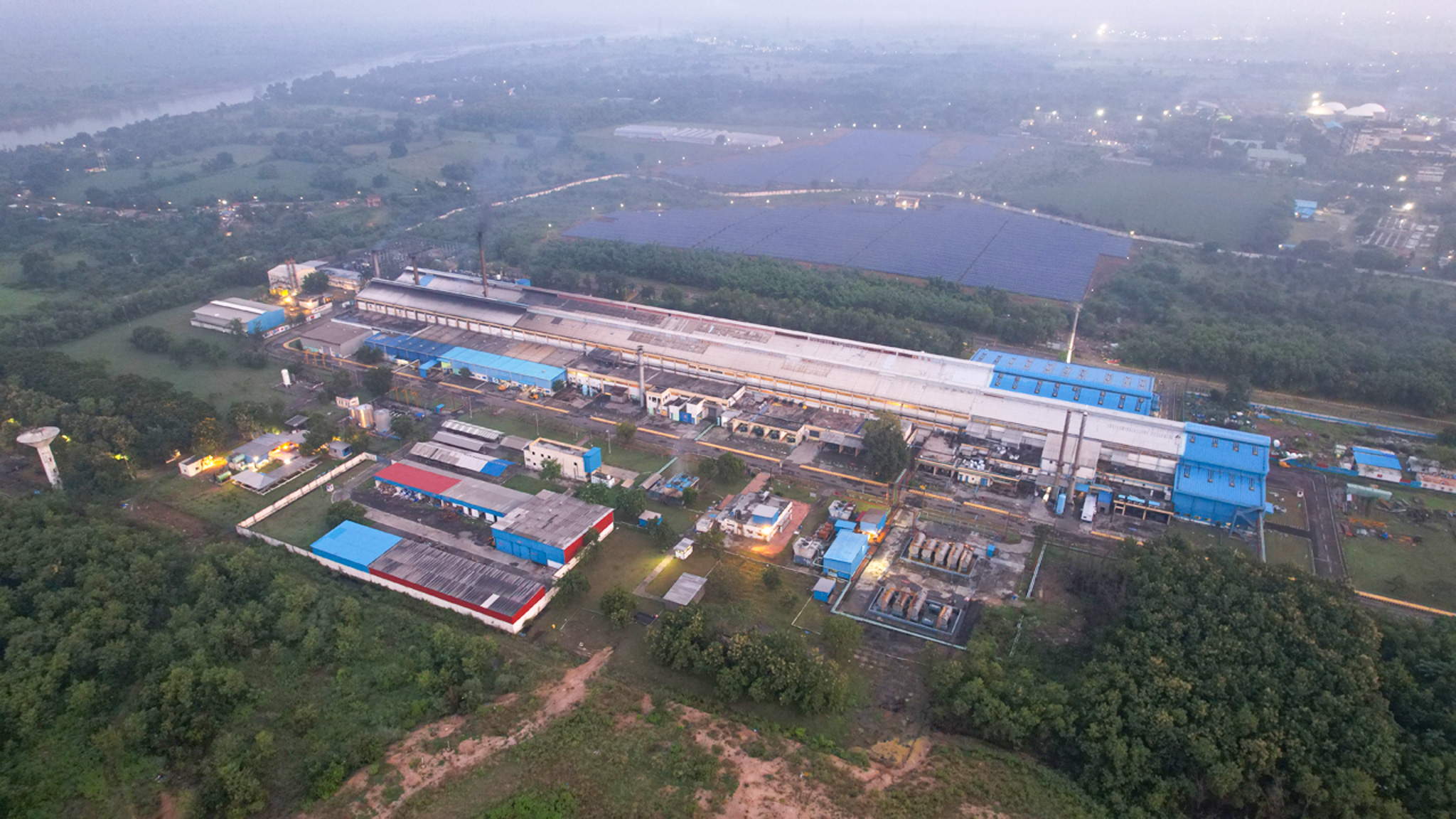
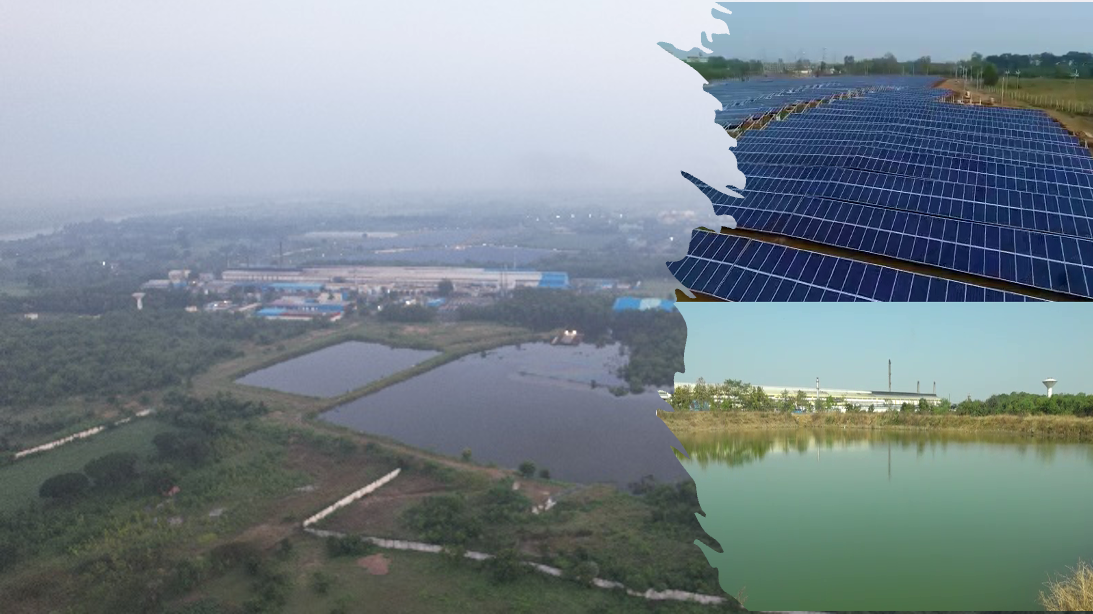
Environmental Stewardship: We are actively working towards ambitious targets, including achieving net zero, zero waste to landfill, and water positivity. Our efforts are yielding measurable results, with a reduction in GHG emissions intensity of 0.5 t CO2e/t Al, between FY-21 and FY-26. This reflects an 89% reduction in Scope 1 and Scope 2 emissions through best practices, including large-scale solar power development, implementation of closed-loop cooling towers (CLCT), year-on-year reduction in fossil fuel consumption enabled by real-time monitoring and digitalisation, and the use of SMS and email alerts to flag anomalies or threshold breaches for immediate corrective action.
Currently, 15% of the Plant’s total energy consumption is sourced from renewable energy, with a target to increase this to 89% by FY 2026-27, enabled by the integration of Solar and Wind Open Access Power, supported by the installation of a 0.4 MW / 0.8 MWh Battery Energy Storage System (BESS) for grid stability and energy optimisation.
The Plant has been recognised as water neutral by the Confederation of Indian Industry (CII), having constructed water conservation ponds with a capacity of 135,000 cubic metres (135 ML) of water and achieving zero specific freshwater consumption.
Approximately 25,000 trees are scheduled to be planted over the next three years. Since fiscal year 2021–22, the facility has achieved a 15% reduction in specific Low Sulphur High Stock (LSHS) fuel consumption and is exploring the transition to using Piped Natural Gas (PNG) as a replacement for LSHS (low sulphur heavy stock) in the remelting furnace by fiscal year 2027–28.
Circular Economy: We are investing in advanced circularity initiatives to build a more resilient and sustainable value chain. Our efforts include achieving Zero Liquid Discharge, 100% recycling of waste rolling oil through Vacuum Distillation Units, and reusing waste wood. We are also transitioning from wooden packing boxes to collapsible metal alternatives—an initiative expected to save approximately 600 trees annually. Additionally, we are co-processing spent fuller’s earth in cement plants, converting food waste into manure using a bio-composting machine, and phasing out plastic packaging through Extended Producer Responsibility (EPR), replacing it with sustainable alternatives. These actions collectively aim to transform waste into valuable resources.
Social and Governance: Our sustainability extends to the communities we operate in and our people. We have a robust corporate social responsibility framework to guide our practices and are committed to achieving a “no net loss to biodiversity by 2050.” We also believe in transparent governance, demonstrated by our consistent reporting and alignment with global frameworks such as the UN Global Compact.
Mouda Plant has strong presence in Corporate Social Responsibility in line with the Group guidelines. Especially in the areas such as Education, Health & Women empowerment. Initiatives such as our Pulse Polio immunization, Clean Village Initiative, Awareness programs on Household safety, Gynaecology checkup camps, Laparoscopic family planning, Paediatric health check-up camps, Animal Husbandry and awareness programs on nutrition etc. are some of the examples of providing local community health and development programs.
What are some of the impacts you have seen as a result of your actions?
The impacts of these actions are seen not just in our reports but in our operations. Our commitment to sustainability has improved operational efficiency and strengthened our ability to meet the growing global demand for responsibly sourced and produced aluminium. We believe that by championing sustainability, we’re not just creating a more resilient business; we’re contributing to a better world. Our alignment with the Aluminium Stewardship Initiative (ASI) Standards has catalysed improvements across environmental, social, and governance (ESG) dimensions — making sustainability a core driver of performance and resilience.
Examples of some of our impacts include:
- Reduced Carbon Footprint:
Notable reductions in annual tonnes of Carbon Dioxide (CO2) emissions as follows: FY 21 – 1.83 tons, FY22 – 1.56 tons, FY23 – 1.34 tons & FY24 – 1.34 tons. - Biodiversity Conservation:
Over 50,000 trees planted across 36% of the land area (0.36 km²), covering 81 species, 66 genera, and 32 families - Education & Women Empowerment:
Support for school infrastructure, scholarships, and vocational training has led to:- Increased school attendance
- Enhanced employability and self-reliance for women
- Employment & Economic Development:
Ongoing local partnerships with government bodies, district authorities, sub-districts (talukas) & village councils (panchayats) have facilitated job creation and skills development in the surrounding communities. - Transparent & Accountable Governance:
Regular ESG disclosures, adherence to global frameworks (UN Global Compact), and third-party ASI audits reinforce our credibility and stakeholder trust.
How are you looking to improve on your current achievements? What is your future outlook?
Looking ahead, our focus remains on continuous improvement and innovation. We are investing in cutting-edge technologies to drive sustainable progress. Our future is firmly rooted in our purpose: ‘To be a premium metals major, creating value for all stakeholders while excelling in everything we do.’

Read more about Hindalco Mouda
SHARE THIS ARTICLE