Strengthening Audits Through Indigenous Expertise: Father Nicholas’ Story
As an IPAF Registered Specialist, Father Nicholas plays a key role in bringing Indigenous knowledge and community perspectives into ASI auditing processes. His experience highlights the benefits of IPAF involvement from improving company understanding of FPIC and human rights to enhancing communication with communities. This article explores how his expertise is helping advance more inclusive and informed audit practices across India.
9 December 2025
Please share a brief introduction about yourself, your community, and what motivated you to pursue sustainability
I’m from the Oraon Indigenous community. I hold degrees in Commerce and Law, along with an MBA. In my early career as a Catholic Priest, I worked in rural areas and witnessed firsthand the growing tensions between local communities and companies over land, forests, and water resources. While the companies sought to acquire land for development, local communities were unaware of their rights and how to successfully protect their land. The lack of understanding between both parties often led to unrest and, in some cases, violence.
During the early 2000s, these issues were rampant. I felt compelled to step in as a mediator, helping communities understand their legal rights and serving as a bridge between them and government officials. Over time, my efforts extended from local interventions to engagement at the state level, where I worked closely with government bodies and ministers to raise awareness about land acquisition conflicts and the forceful displacement of communities by the companies.
At the same time, I became involved in national-level policy discussions, particularly around the Forest Rights Act and mining laws, which many NGOs were advocating to amend. I was part of the committee that reviewed these laws and proposed key changes, including the incorporation of Free, Prior, and Informed Consent (FPIC) and the active participation of local communities in the development process. I was pleased to see that some of my recommendations were accepted and integrated in the amendments.
Tell us about your involvement in ASI’s Indigenous Peoples Advisory Forum (IPAF)
IPAF is ASI’s Indigenous People’s Advisory Forum, a communications and engagement platform between representatives of Indigenous Peoples and ASI. I have been a member of IPAF since its formal inception in 2016 and I have watched it grow and actively enable dialogue between companies and affected communities – building capacity for the Indigenous People and local communities to engage properly with companies and providing access to discussions that we otherwise would not have been able to participate in.
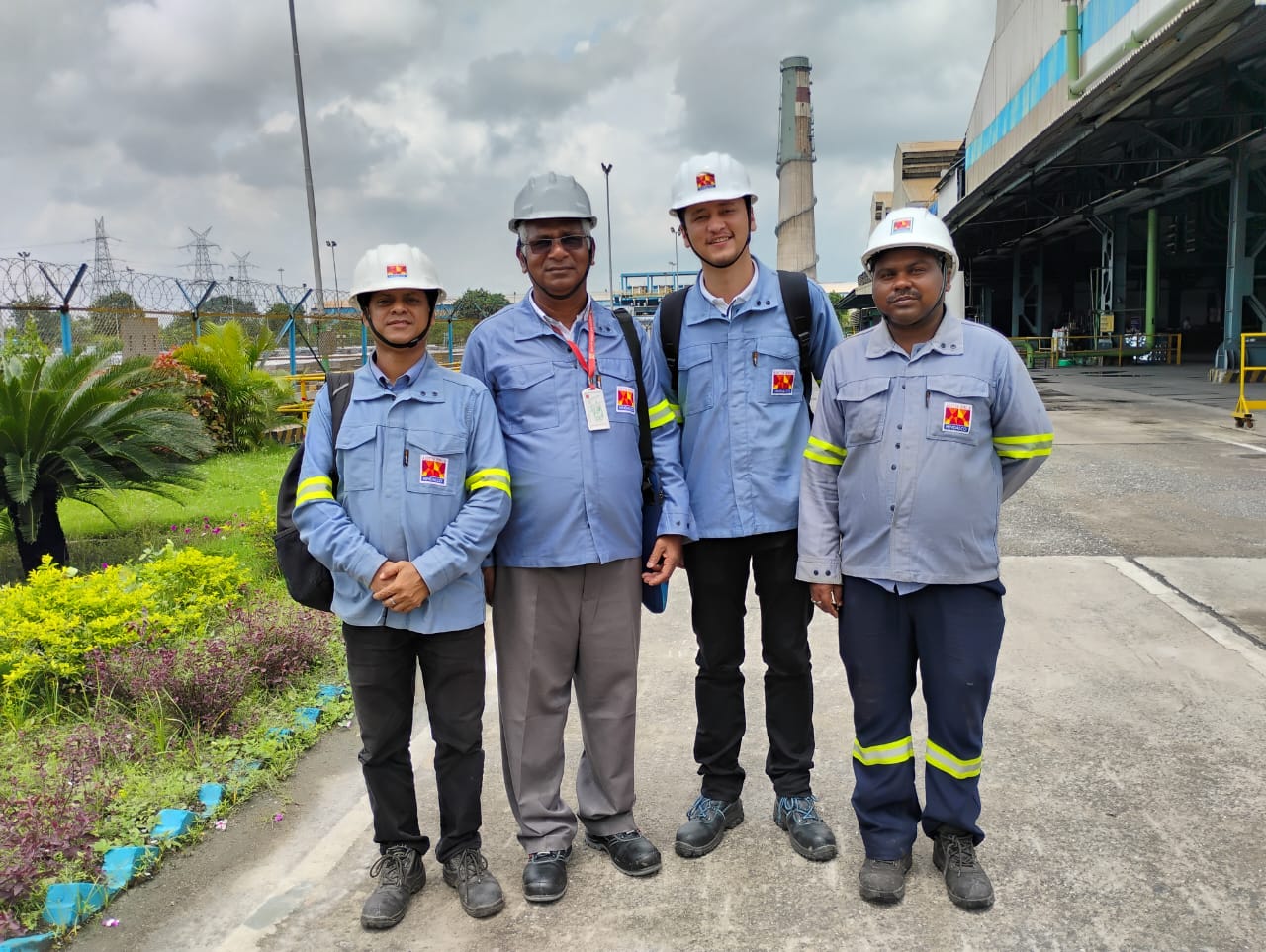
As part of IPAF capacity building, ASI provided me with formal training to become a Registered Specialist and invited me to witness a number of ASI audits in India, based on my knowledge and experience. Recently I marked my third engagement in an audit process and my first as a fully trained ASI Registered Specialist where I was able to contribute to audit findings. With each audit that I have had the opportunity to observe, my confidence and experience have continued to grow.
What was your role in the audit team as a Registered Specialist? What kind of knowledge and expertise did you bring to the audit?
As a Registered Specialist, I had studied the ASI Standards and was able to ask meaningful questions and link the responses to my observations of how they were implementing the criteria. I was able to raise issues like recycling, mine closure and rehabilitation from an IPAF perspective, and the importance of conducting proper human rights surveys right from the beginning. I also emphasised the importance of including local communities—and those directly affected by the company’s activities—at every stage of the process, making them an integral part of the development.
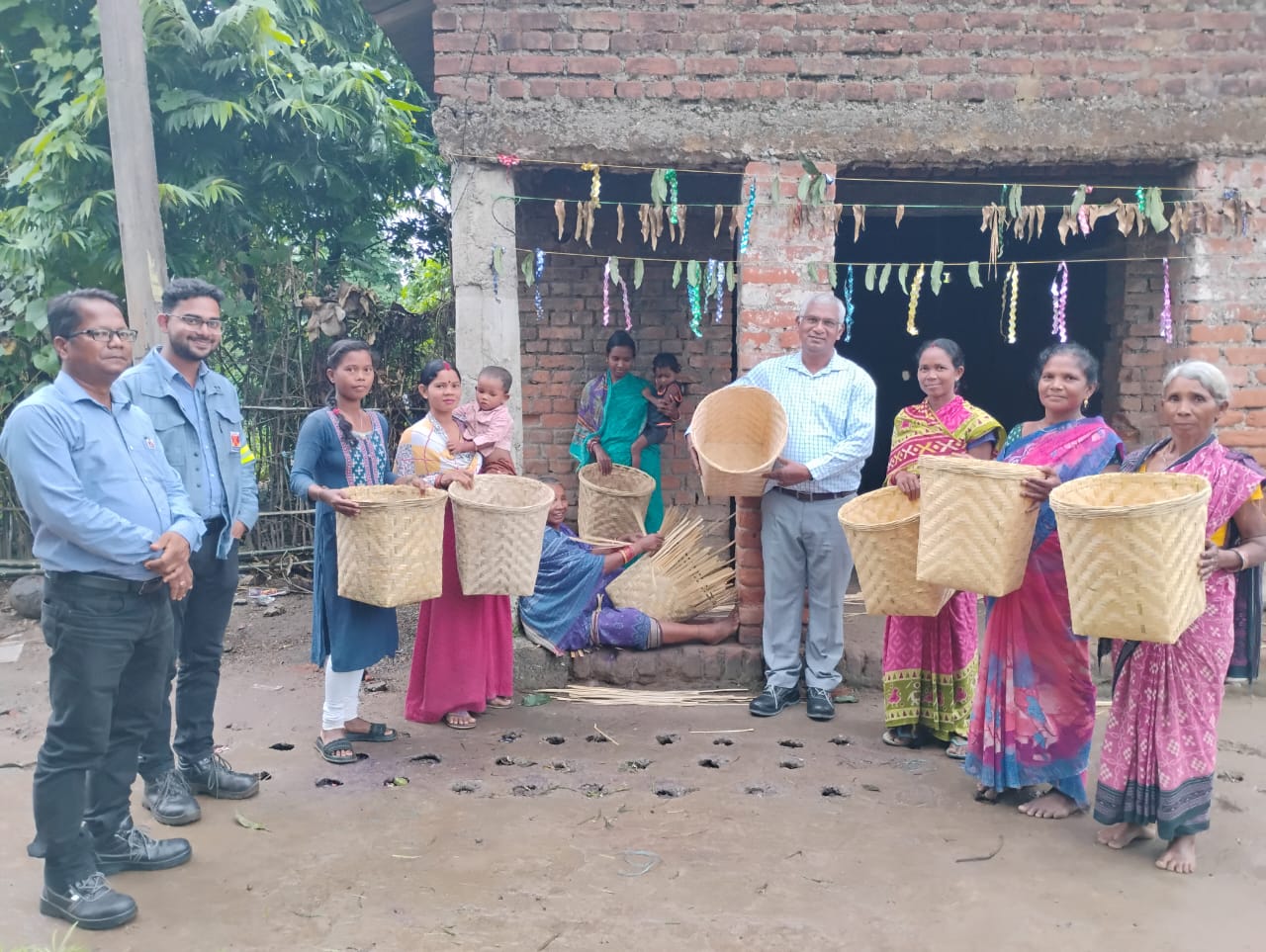
As part of the audit, we visited community members to understand how they were benefiting from the company’s presence and to explore the ways they could organise themselves to voice their needs collectively.
Overall, having a deeper knowledge of ASI Standards can have a positive impact on both sides. I have found that company representatives are pleased with the constructive insights and expertise I can bring to their audit experience, while communities appreciate having access to a better understanding of how to make their needs known to a company.
Do you have any examples or key moments in the audit where you felt your presence/knowledge/experience was critical to the effectiveness of the audit?
Yes. When I spoke about FPIC (Free, Prior and Informed Consent) and human rights—both essential elements in the auditing process—I noticed how attentive everyone became. For many, it was their first time fully understanding the significance of FPIC and its connection to human rights. Making this link was an important learning moment for them, and the discussion left a positive impression as they recognised the value of integrating FPIC within a human rights framework. Helping them make that connection felt very meaningful for me.
What are the benefits to the wider Indigenous community and IPAF in having more IPAF expertise participate in audits?
Having IPAF participate in the audit process will be very beneficial, as it can help build mutual confidence and trust between the company and the community. Such participation would not only strengthen relationships during the audit but also foster ongoing dialogue and cooperation beyond it.
On a slightly related note, I believe that including local personnel who understand the community’s context, culture, and sentiments could greatly enhance communication and improve the overall relationship between the company and the people it affects.
To implement this, companies could actively seek to identify good local people who could be trained to play such roles. IPAF could also help with the identification of such individuals, because the importance of understanding and being able to communicate local context in these roles cannot be over emphasised.
How would you improve your involvement with subsequent audits?
I would endeavour to be more fully informed about the company ahead of the audit. Having a deep understanding of the company’s ESG background, operations, and context would be very useful for planning and prioritising issues more effectively.
I also see value in observing how audits are conducted in other countries, as comparing different approaches can offer useful insights. Learning from those experiences, including my background in Law and being part of the peoples’ struggles, could help me bring fresh perspectives and improved practices to future audits.
What training is needed for an IPAF member not as experienced as you?
The ASI funded IPCIA (Indigenous Peoples Cumulative Impact Assessment) reports are a good starting point as it incorporates environmental, social and cultural topics and considered the cumulative impacts on affected communities, the environment and ecosystem services, rather than documenting impacts in isolation. Small group sessions to discuss basic elements of environmental law, forest, land, ecology, human rights and OECD principles will also be helpful.
More information
SHARE THIS ARTICLE