Building a More Circular Future for Cycling: Insights from Triangle’s – Cycling Equipments, S.A.
Cláudia Pedro Ortet, Sustainability, Communication & Institutional Relations at Triangle’s – Cycling Equipments, S.A. highlights their efforts to enhance circularity and strengthen supplier relationships.
14 January 2026
What does your ASI membership mean to you? Why does it matter?
Being a member of ASI reinforces Triangle’s long-standing commitment to sustainability, transparency, and ethical responsibility throughout our value chain. It represents our robust alignment with internationally recognised standards that promote environmental protection, human rights, and good governance with the use of aluminium in our industry.
At the same time, ASI membership is not a starting point, but rather a validation and accelerator of a broader sustainability journey we were already pursuing. ASI membership also strengthens our relationships and confidence with customers, partners and stakeholders who share the same vision for a responsible and circular economy within the cycling and mobility sector.
What improvements or changes have you made to align with, support, or implement the ASI standards?
We have integrated ASI principles into our operations, procurement and organisational culture, ensuring that sustainability is embedded both in how we produce and how we work with people and partners.
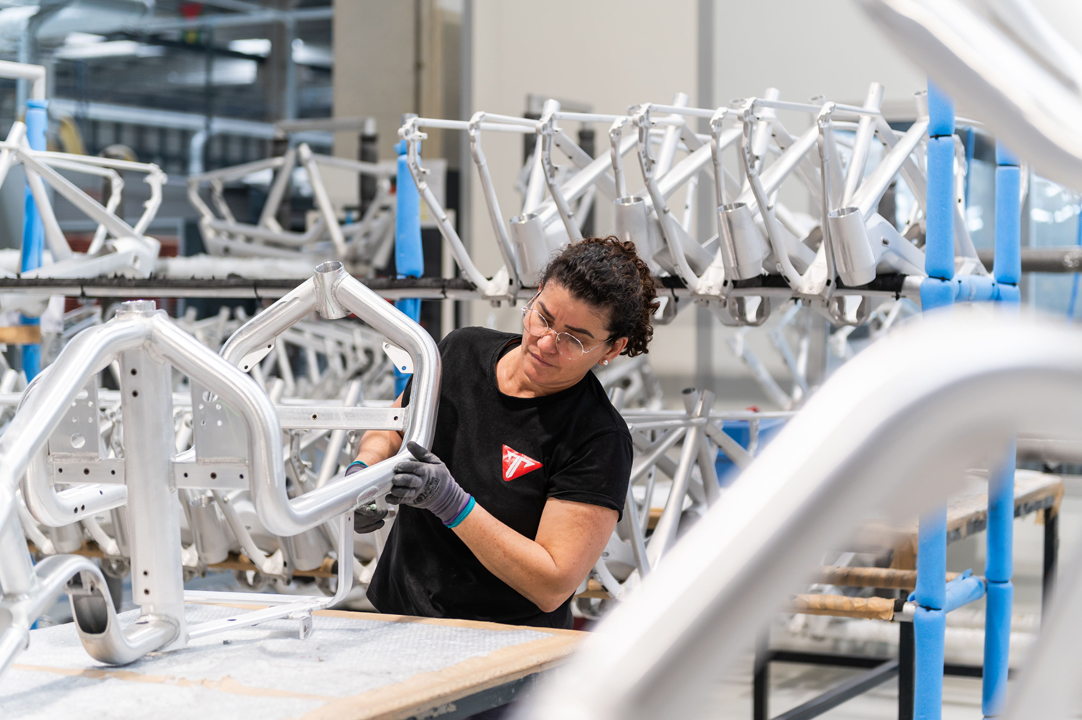
From an environmental perspective, we have improved supply chain traceability, our supplier assessment and engagement relations to promote responsible aluminium sourcing and greater transparency upstream. In our production processes, we are continuously investing in energy efficiency, waste reduction and circularity, with a particular focus on aluminium frame manufacturing. We conducted several studies on our corporate and product carbon footprint, as well as our product life cycle assessment, translating it into actions. This includes separating aluminium alloys to enable higher-quality recycling, optimising material use by adapting our production flow, and reducing and redesigning packaging to minimise waste and environmental impact. These actions support a more circular use of aluminium and contribute to lowering our overall environmental footprint.
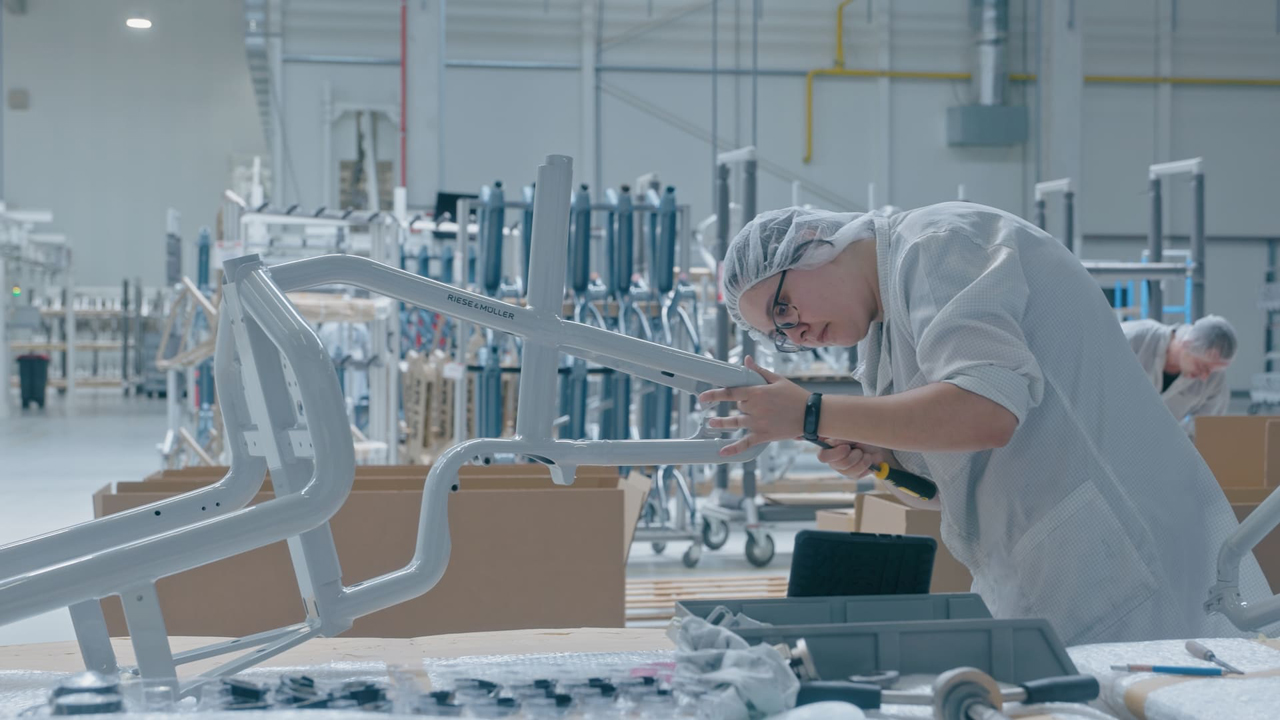
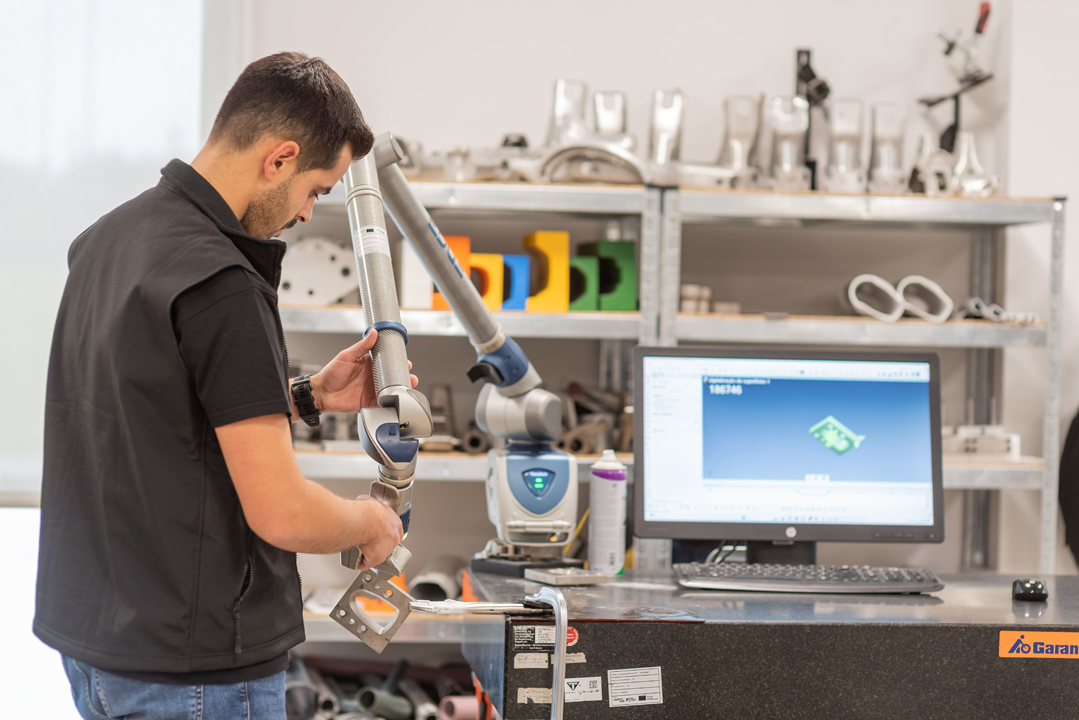
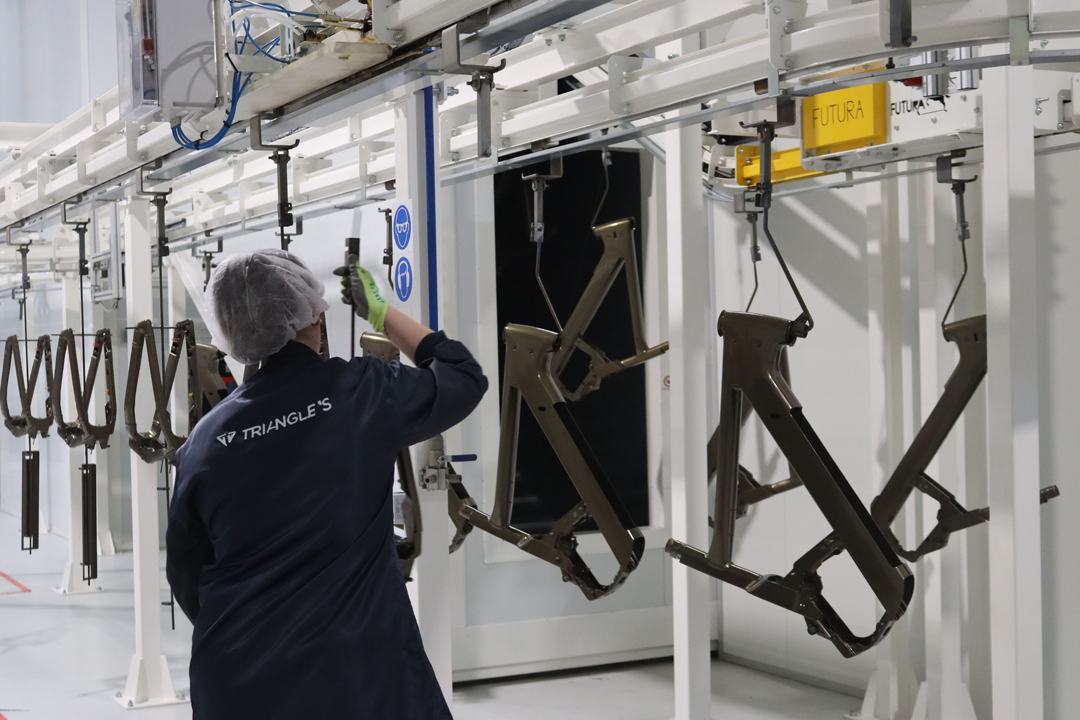
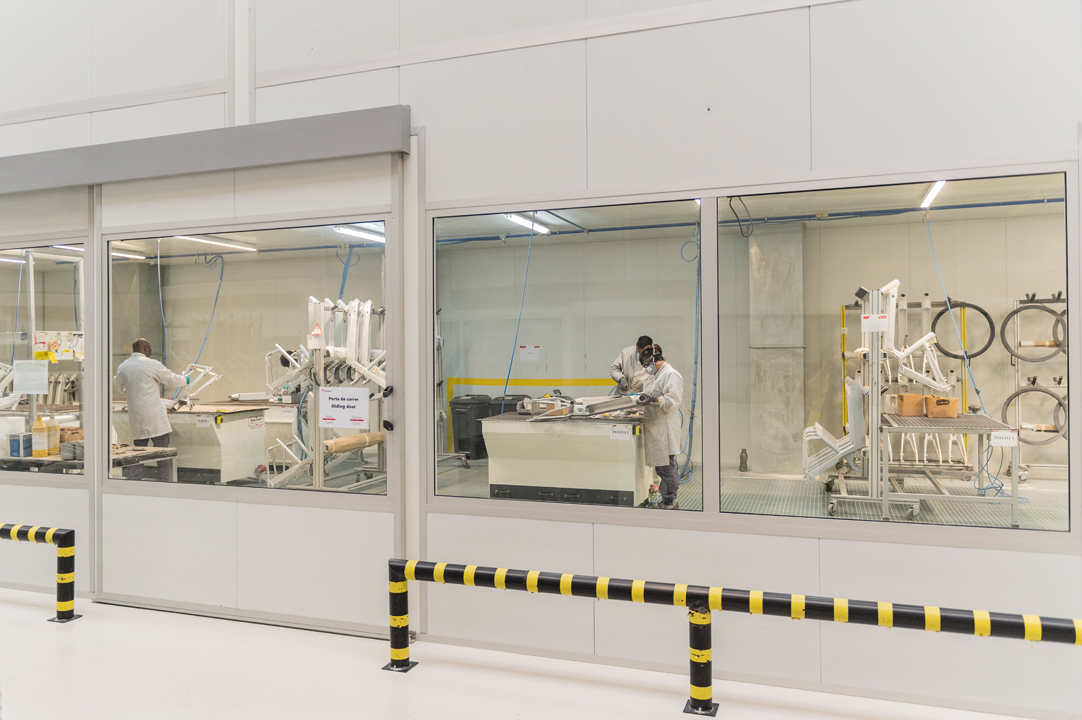
From a social and governance perspective, we have reinforced our internal framework through policies such as the Human Rights and Working Conditions Policy, Anti-Corruption Policy, and Environmental Management practices. Thus, we are ensuring alignment with international standards on integrity and responsible business behaviour. We actively engage with suppliers on social and labour expectations and promote responsible practices throughout our value chain.
Beyond compliance, we also invest in people and communities, from DEIB (Diversity, Equity, Inclusion, and Belonging) strategies to investment in training. Our engagement with universities and technical colleges through curricular and professional internships reflects our commitment to skills development, employability and social value creation, reinforcing sustainability as a shared responsibility that extends beyond our factory gates.
What impacts have you observed as a result of your initiatives or actions?
These initiatives and actions have already generated tangible impacts across our value chain and within the organisation. Externally, they have led to greater transparency and accountability within our supply chain, which we believe will improve environmental, social and ethical performance (or at least, clarify expectations) and strengthen our dialogue and relationships with responsible suppliers. This, in turn, supports improved environmental outcomes and reinforces long-term partnerships with suppliers that share our commitment to responsible (aluminium) production.
Internally, the impact has been equally significant. Sustainability has become a more visible and shared responsibility across teams, with growing awareness regarding sustainability principles and responsible conduct. Employees are increasingly engaged in identifying opportunities for improvement, from operational efficiencies to social and environmental practices, fostering a culture of continuous improvement, collaboration and ownership.
Overall, these actions have helped position Triangle’s not only as a compliant organisation, but as an active contributor to raising sustainability standards.
Furthermore, we are openly sharing these outcomes in our sustainability report and on our LinkedIn page – which we invite you to consult.
How are you looking to improve on your current achievements? What is your future outlook?
Looking ahead, Triangle’s is committed to building on its current achievements by further deepening alignment with ASI Standards. This includes continuous certification under the Performance Standard and, in the longer term, working towards Chain of Custody certification to strengthen traceability and responsible sourcing throughout the aluminium value chain
From an operational standpoint, we aim to expand sustainable sourcing practices and increase the share of lower carbon and recycled aluminium in our products, while continuing to embed circularity principles into product design, manufacturing processes and end-life considerations. Our focus is on improving material efficiency, reducing environmental impact and enabling high-quality recycling without compromising performance or innovation.
At the same time, we see collaboration as a key driver of progress. We intend to work more closely with suppliers, customers, academic institutions, industry partners and the general society to share knowledge, pilot new solutions and contribute to broader sustainability transformation within the global cycling and mobility sectors – and, perhaps, other industry sectors. For Triangle’s, sustainability is a long-term journey grounded in continuous improvement, innovation and collective responsibility.
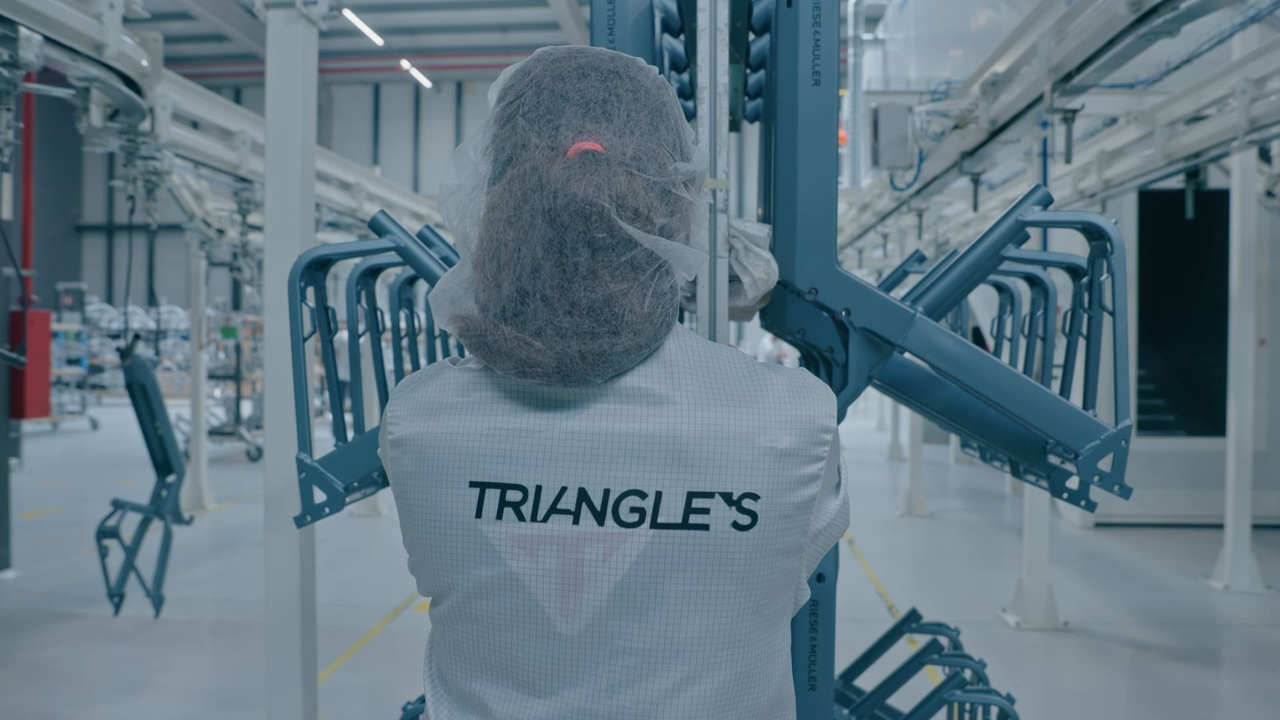
Read more about Triangle’s – Cycling Equipments, S.A.
SHARE THIS ARTICLE